| 4th Feb 2014 Education drive gets new friends – Digital Literacy Mission all set for rural innings, thanks to social outfits |
| ANTARA BOSE |
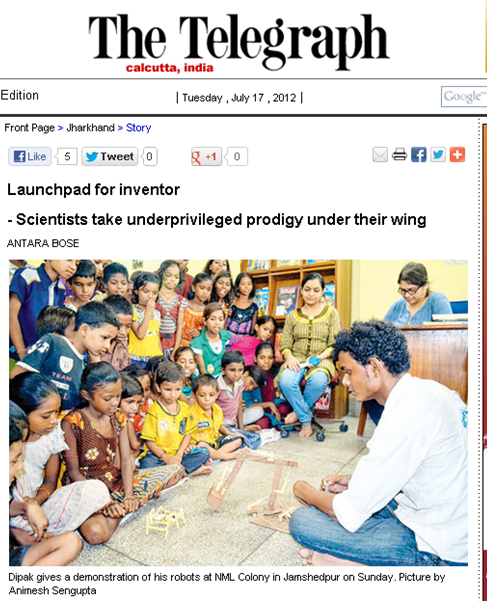
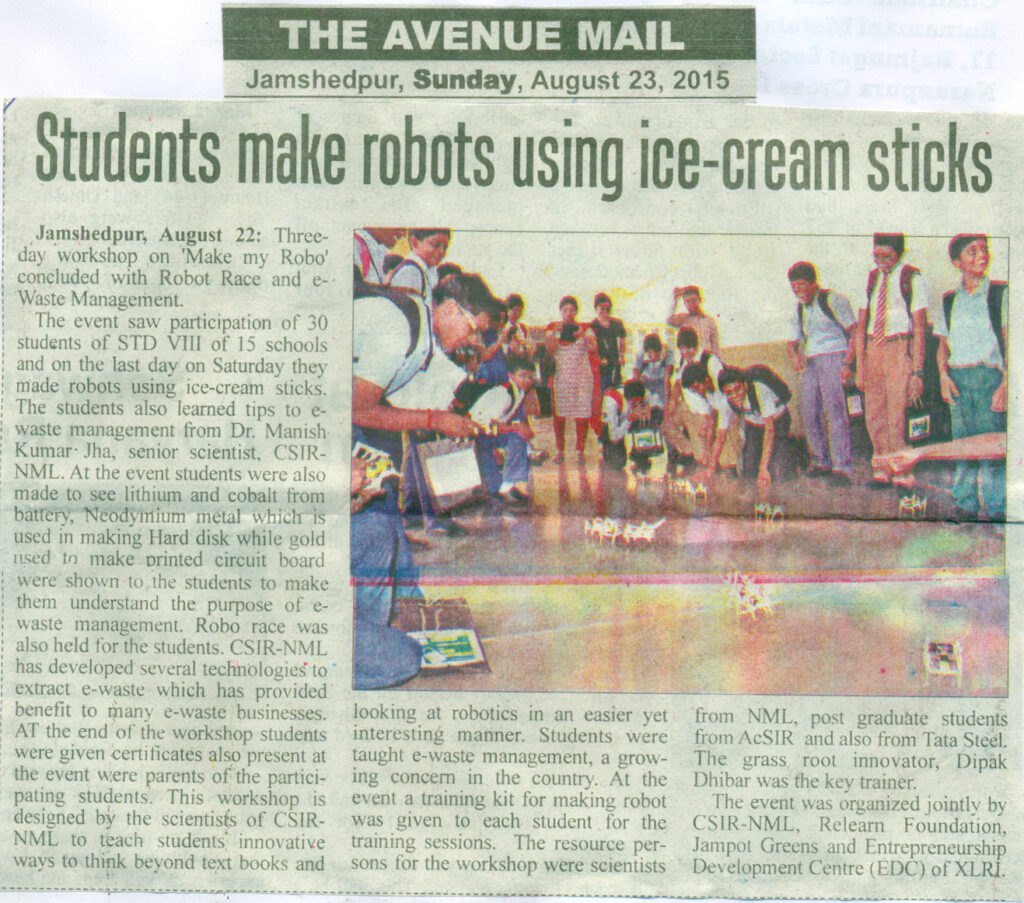
| Teen inventor Dipak Dhibar is blinking in disbelief over his new-found celebrity status. The boy wonder from Seraikela-Kharsawan’s Chandil, whose fish vendor father earns around Rs 2,000 a month, created unbelievably low-cost robots from junk inspired by Aamir Khan’s Rancho in the runaway hit 3 Idiots. After the story of the prodigy was published in The Telegraph on July 12, Dipak has found new friends . The Digital Literacy Mission (DLM), where scientists associated with National Metallurgical Laboratory (NML) give poor youngsters free tuition, has decided to take him under its wing. Dipak has bagged a monthly stipend of Rs 500 from a DLM tutor Pankhuri Sinha. And this is not all. He can teach poor children under the DLM model and learn physics, chemistry and math from scientists to get through the national level entrance exam of the prestigious Nettur Technical Training Foundation for vocational courses. He will also be guided to apply for the CSIR Innovation Award for School Children, scheduled this October, which promotes innovative ideas of students with the first prize being Rs 1 lakh. In other words, what Dipak always prayed for was a chance to make it. And NML is handing it to him on a platter. The boy was invited on Sunday by NML principal scientist and DLM founder Mita Tarafder to Agrico’s NML colony library to showcase his talent before 35 needy students, chief scientists Indranil Chattoraj and Amitava Mitra and senior technical officer Jayanta Konar. His crab made of ice cream sticks and cellphone batteries was a hit with children. “Bacche taali baja rahe they mere kekde ko dekh ke. (Children were clapping watching the crab I made),” he grinned. Regarding the NML goodies, Dipak can’t believe all of that either. After all, he is still haunted by the “third division matriculate” tag. And he had dropped a year afterwards and finally enrolled in Plus Two arts at SB College, Chandil. But scientists like Tarafder are mighty impressed. As for the children they teach, Dipak is their Rancho. |
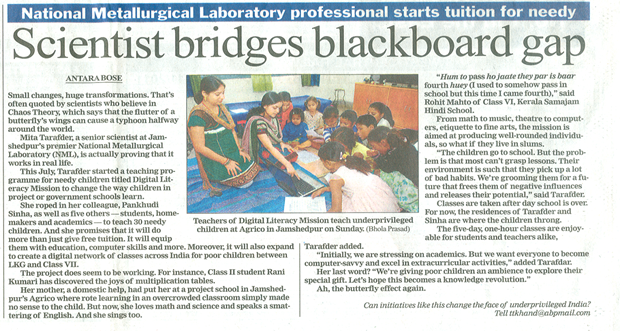
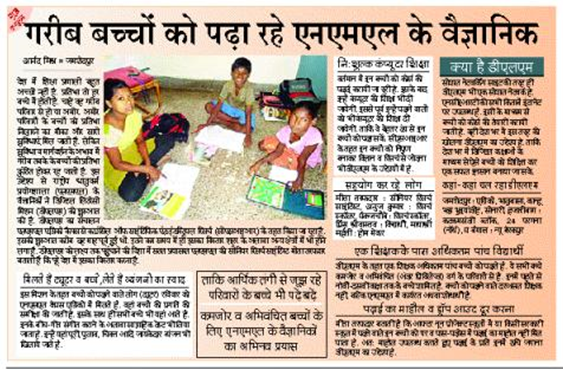
Digital Literacy Mission, launched by scientists of National Metallurgical Laboratory to provide quality holistic education to poor children, has started spreading its wings beyond the perimeters of urban areas in Jharkhand.
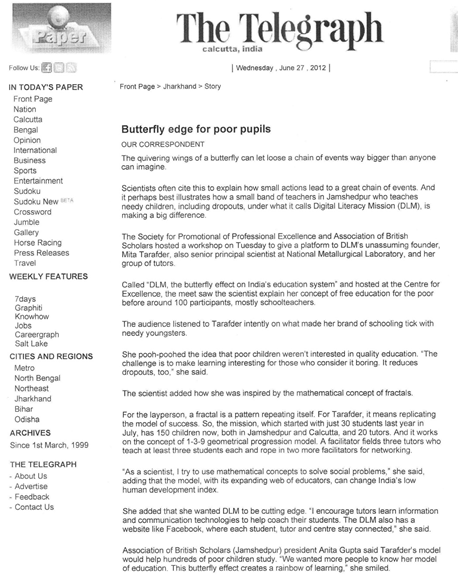
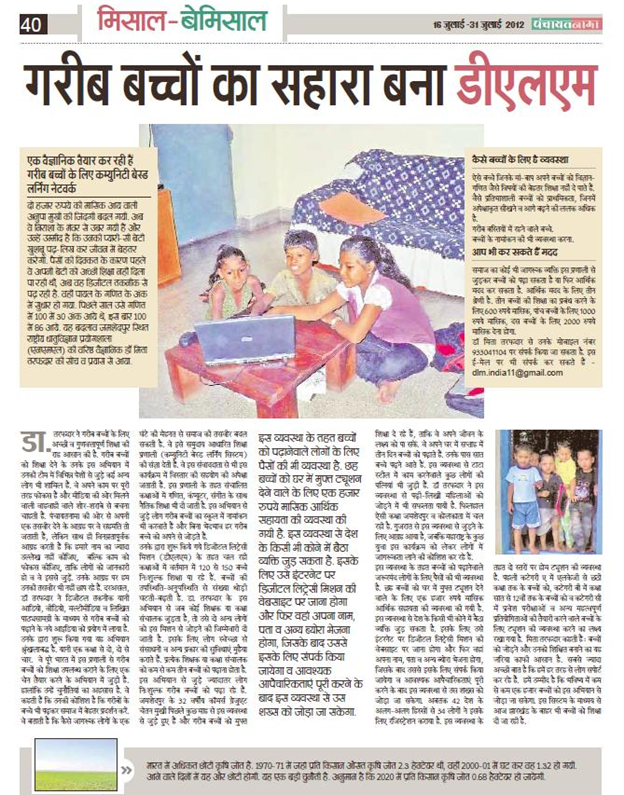
The mission, which had started with a centre at the NML campus in Agrico and now has nine units in Jamshedpur and Bengal, is finding support from social outfits and NGOs.
P.P. Verma, trustee of Jharkhand Alternative Development Forum, has shown interest in implementing the NML model in other parts of the state. During his recent visits to the DLM centres in and around the city, Verma was delighted with the manner in which the system worked.
“I am quite impressed with this system of grooming poor children. We would like to implement these ways to spread education in remote villages Jharkhand Alternative Development Forum works in. I am keen to learn more about this model,” said Verma.
Verma is not the only one convinced with the effective ways of the mission. Telco-based NGO Samaj Vikas Kendra has recently joined hands with the project and launched a centre in the locality from February 1.
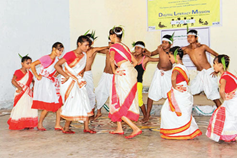
As many as 40 tribal children from Ho and Oraon communities are part of the project, under which they take study lessons for six days a week. Sundays are reserved for singing, dancing and yoga.
“The parents of most of these children work as contract labourers and cannot attend them. Most of them are enrolled in schools, but they hardly go. Through the digital literacy mission, we are trying to groom them at the centre and teaching them yoga, dance besides regular academics,” said Chandana Sarkar, general secretary of Samaj Vikas Kendra who herself visits panchayat areas to promote rural education.
City-based NGO Cause for Change already teamed up with the mission in 2013.
Launched in 2012, the digital literacy mission is going from strength to strength. Besides the newly opened at Telco, Jamshedpur houses four centres at Baridih, Bhalubasa, NML campus and Gadra village. This apart, the mission has units at New Barrackpore, Salkia, Brahmapur and Kalighat in Bengal
…..4th Feb 2014 Education drive gets new friends
– Digital Literacy Mission all set for rural innings, thanks to social outfits
— by Antara Bose
“School jakar kya karenge teacher theek se nahin padhati. Hamesha phone pe lage rehti thi. Ek saal ho gaya hum school nahi jate. (What will I do in school when the teacher is always on her cellphone. I’m not going to school for a year).”
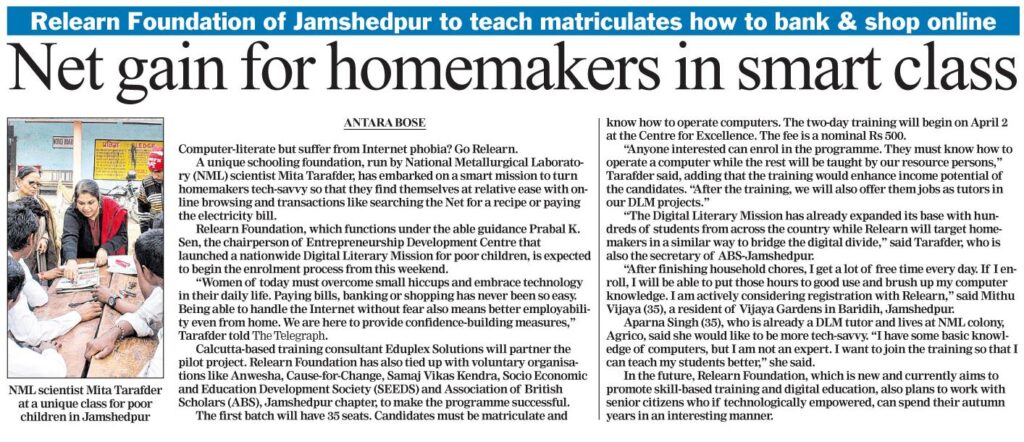
Policy-makers who want Right to Education (RTE) Act to succeed should invite 11-year-old Vijay Mukhi for a crash course in ground reality. But for now, Digital Literacy Mission (DLM), a creative learning drive started by NML scientist Mita Tarafder, is giving Vijay and 21 children like him a second chance with free Sunday bridge course before formal schooling.
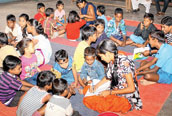
Twenty-two slum children identified by DLM on Sunday started their bridge course at Tata Steel’s Dhatkidih Community Centre, among which eight were girls. Most, like Vijay, who is happier cleaning toilets and working at a dhaba than going to his nearest government school, were dropouts. Around six, like Neha Parween, had never been to school.
Vijay earns Rs 2,000 a month and pools in the cash for his six-member family. Neha does all the housework.
“They are miniature adults who shoulder heavy responsibilities Children like them need to first be inducted in the whole process of learning and groomed for school to make the RTE Act effective in reality,” said Tarafder.
Tarafder’s team mates Joydip Pal and Mrityunjay Bhattacharjee are pursuing the XLRI certificate course in entrepreneurship. Four college students will also volunteer their services.
Tarafder said the Dhatkidih initiative was a spin-off from their successful Bhalubasa centre with 40 children.
She added that while this Sunday tuition would help prepare those who could take admissions at government and project schools, it would also go beyond studies. “Under DLM, we will engage them in music, yoga and games. They need to get an enjoyable slice of childhood,” she said.
Mohammad Shakil, a social worker in Dhatkidih, welcomed the move.
“Most children here are labourers. A few had studied at Thakkar Bappa Middle School but left as the teacher was unavailable half of the time. The Sunday tuition idea of these people (DLM) is very good,” he said.
Mrityunjay said the trick was in being pragmatic. “If we ask them to leave their work and give them books, it won’t help,” he said.
…..22 slum kids hop on bridge to school
— by Antara Bose